Quick Answer
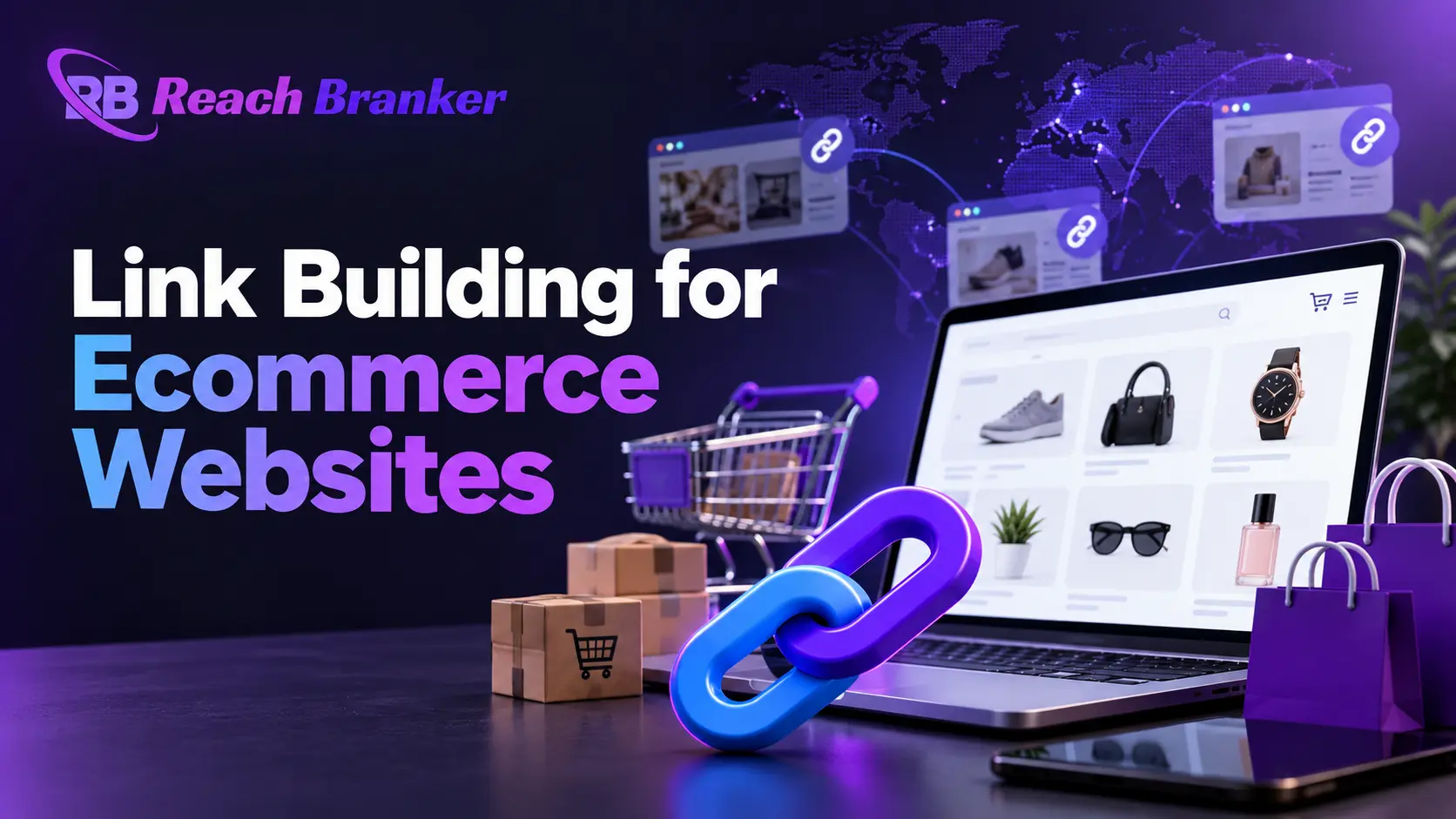
Link building for ecommerce websites requires a genuinely different approach than typical B2B or content site outreach, since the pages that actually drive revenue, product and category pages, are precisely the pages publishers are least naturally inclined to link to directly. Effective ecommerce link building generally works through supporting content, buying guides, original research, and seasonal content, that earns links independently while strategically connecting back to commercial pages through internal linking, combined with digital PR angles built around product data, sustainability initiatives, or genuinely newsworthy company developments.
Key Takeaways
Product and category pages rarely earn direct editorial links, since publishers have little natural reason to link to a page whose primary purpose is selling something. Supporting content, buying guides, comparison pages, and original research, earns links independently while supporting commercial pages through internal linking. Digital PR works particularly well for ecommerce given genuine access to original sales, customer, and product data that makes for compelling, newsworthy angles. Seasonal and gift guide content offers ecommerce brands a recurring, predictable link earning opportunity many other business types simply do not have available. Affiliate and influencer relationships, while valuable for traffic and sales, generally require the correct sponsored link attribute rather than counting as genuine SEO backlinks.
Why Ecommerce Link Building Requires a Different Approach
Most link building advice implicitly assumes a content driven website, a blog, a SaaS company, a service business, where the pages worth earning links to are naturally informative and shareable. Ecommerce sites face a genuinely different structural challenge, the pages that matter most commercially, product listings and category pages, exist to sell something, not to inform or entertain, giving publishers little natural editorial reason to link to them directly regardless of how well designed or accurate those pages are.
This does not mean ecommerce sites cannot build genuinely strong backlink profiles, it means the strategy needs to work indirectly in ways B2B or content focused link building generally does not require, building genuinely link worthy supporting content and connecting its earned authority back to commercial pages through deliberate internal linking.
Building Supporting Content That Earns Links
Comprehensive buying guides, genuinely helpful content addressing how to choose between different product options within your category, earn links considerably more readily than product pages themselves, since this content genuinely helps readers make a decision rather than existing purely to complete a transaction.
Original research using your own sales or customer data, genuine trends in what customers are buying, seasonal purchasing patterns, or category specific insights only your business is positioned to share, gives other publishers and journalists something genuinely citable that a generic product page never could offer.
Using Internal Linking to Pass Value to Commercial Pages
Once supporting content earns genuine external backlinks, deliberate internal linking from that content back to relevant product and category pages allows some of that earned authority to flow through to your actual commercial pages, even though those pages rarely earn direct external links themselves.
This means content planning for ecommerce link building should always consider the internal linking path in advance, a buying guide comparing product types should link naturally and specifically to your own relevant category pages within that comparison, rather than existing as an isolated piece disconnected from the commercial pages it should ultimately support.
Digital PR Angles Specific to Ecommerce
Ecommerce businesses have genuine access to several digital PR angles other business types often lack. Original sales and trend data, what customers are actually buying and why, makes for compelling, journalist friendly stories, particularly around major shopping seasons or notable category shifts. Sustainability and sourcing initiatives, when genuine and specific rather than vague marketing claims, increasingly interest journalists covering consumer and retail trends. Founder stories and company milestones, a notable growth achievement or a genuinely interesting origin story, can earn coverage in business and entrepreneurship focused publications relevant to a growing ecommerce brand.
Seasonal and Gift Guide Opportunities
Ecommerce brands have a recurring, genuinely predictable link earning opportunity many other business types do not, seasonal gift guide inclusion. Publications regularly compile gift guides around major shopping seasons, and pitching genuinely relevant, well presented products for inclusion represents a realistic, repeatable link building opportunity worth building into an annual content and outreach calendar rather than treating as an occasional afterthought.
Building relationships with relevant lifestyle, gift guide, and category specific publications well before major shopping seasons, rather than reaching out at the last minute, meaningfully improves realistic odds of inclusion given how far in advance many publications plan this recurring content.
The Role of Affiliate and Influencer Links
Affiliate partnerships and influencer collaborations genuinely drive traffic and sales for many ecommerce brands, but it is worth being clear that these links should generally use the sponsored attribute rather than being counted as standard SEO backlinks, since they exist as part of a commercial, compensated relationship. This does not diminish their genuine marketing value, it simply means they should be evaluated and tracked separately from organic link building efforts aimed at genuine ranking improvement.
Common Ecommerce Link Building Mistakes
Attempting to pitch product or category pages directly for editorial links, when publishers have little natural reason to link to a page whose primary purpose is completing a sale.
- Creating supporting content with no deliberate internal linking path back to relevant commercial pages, earning genuine external links that never actually support the pages that matter most for revenue.
- Ignoring seasonal gift guide opportunities entirely, missing a genuinely recurring, predictable link earning channel specific to ecommerce businesses.
- Treating affiliate and influencer links as equivalent to genuine SEO backlinks, when these commercial relationships should use the correct sponsored attribute and be tracked separately.
- Failing to leverage genuine sales and customer data for digital PR purposes, missing original, citable content only the business itself is positioned to produce.
Expert Tips for Ecommerce Specific Success
Build a content calendar specifically planning supporting content with a clear internal linking path to your priority commercial pages, rather than creating content in isolation from your product catalog. Start seasonal gift guide outreach well in advance of major shopping periods, since many publications plan this recurring content months ahead of actual publication. Mine your own sales and customer data regularly for genuine digital PR angles, treating this as an ongoing content and outreach asset rather than a one time exercise. Track affiliate and influencer relationships separately from organic link building efforts, using the correct sponsored attribute and evaluating each channel against its own appropriate goals. Prioritize supporting content for your highest revenue product categories first, ensuring earned link value flows toward your most commercially important pages rather than being spread evenly regardless of actual business priority.
Conclusion
Ecommerce link building succeeds by working around a genuine structural challenge, commercial pages rarely earn direct editorial links, through supporting content that earns links independently and deliberate internal linking that passes value back to the pages that actually drive revenue. Combined with genuine digital PR angles built around real sales data and recurring seasonal gift guide opportunities, ecommerce brands have a genuinely viable, repeatable path to strong backlink growth despite the structural challenge their core commercial pages present.
Talk to Our Team About an Ecommerce Link Building Strategy.
Frequently Asked Questions
Can product pages ever earn genuine editorial backlinks directly?+
Yes, occasionally. Unique or innovative products can earn direct backlinks through reviews, roundups, or editorial coverage. However, supporting content usually provides a more reliable and repeatable way to earn links that indirectly strengthen product pages.
How is ecommerce link building different from SaaS link building?+
Both often use supporting content to build authority around commercial pages. Ecommerce link building can benefit from seasonal gift guides, product roundups, and sales data, while SaaS link building often relies more on product usage data, industry research, and technical publications.
Do affiliate links count as backlinks for SEO purposes?+
Affiliate links are backlinks, but compensated affiliate relationships should generally be marked with the sponsored attribute. They should not be treated in the same way as independent editorial backlinks earned through genuine recommendations.
How far in advance should ecommerce brands start gift guide outreach?+
Starting several months before the target shopping season is generally advisable. Many publishers plan seasonal gift guides and related ecommerce content well before publication, so early outreach can improve your chances of being considered.