Quick Answer
A content refresh strategy is a systematic process for updating existing pages to recover lost rankings, extend the useful life of already published content, and keep information accurate as topics evolve. Refresh frequency should vary by content type, evergreen guides generally need updating every six to twelve months, fast moving topics like technology and SaaS pricing every three to six months, and genuinely trending or news adjacent content as often as monthly. In 2026, this has become considerably more urgent than it once was, since AI search platforms show a measurable bias toward citing newer content, meaning a page that goes stale does not just slip in traditional rankings, it can become effectively invisible to AI generated answers as well.
Key Takeaways
Content decay is a gradual, sustained decline in traffic and rankings, not a sudden crash, meaning it often goes unnoticed for months until the cumulative effect becomes serious. Refresh frequency should be based on content type and industry pace of change, not a single universal schedule applied uniformly across an entire site. Independent research shows updating existing content frequently outperforms publishing new content from scratch for both speed and reliability of results. AI search platforms show a genuine, measurable freshness bias, meaning stale content increasingly loses visibility in AI generated answers even faster than in traditional search results. Never change a page’s URL when refreshing it, the existing URL holds the backlinks, indexing history, and keyword associations that make the refresh worthwhile in the first place.
What Content Decay Actually Looks Like
Content decay describes the gradual, sustained decline in a page’s organic traffic, rankings, and engagement over time. It is worth being specific about what this actually looks like in practice, since the pattern is easy to miss. A page performing well rarely collapses overnight from an algorithm update, it typically drifts, dropping from a strong traffic level to a somewhat lower one, then lower again over successive months, in a pattern that never looks alarming on any single day but compounds into a genuinely serious problem across a couple of quarters.
This slow, quiet erosion is exactly why content decay often escapes attention until the damage is already substantial. A page that ranked in the top three positions six months ago can slip to the second page of results without triggering any obvious alert, since the decline happens through many small movements rather than one dramatic drop a team would immediately notice and investigate.
How Often Different Content Types Need Refreshing
A single, universal refresh schedule applied across an entire site rarely makes sense, since different content types age at genuinely different rates. Evergreen, comprehensive reference content generally holds up well for six to twelve months before requiring a meaningful update, while news adjacent or trend driven content can require refreshing as frequently as monthly given how quickly the underlying information changes.
Fast moving categories including technology, marketing, and software pricing content generally benefit from a three to six month refresh cycle, given how quickly tools, pricing, and best practices shift in these specific spaces. Finance and healthcare content, given both its genuine complexity and the higher stakes involved in inaccurate information, typically warrants at least a six month review cycle. Local business content tends to age more slowly, generally requiring updates only once or twice yearly unless a specific detail, hours, pricing, or service offerings, changes in the meantime.
Beyond content type, a useful practical trigger worth adopting regardless of category, any page that drops more than three ranking positions within a single month deserves an immediate audit rather than waiting for its next scheduled review, since a sudden, sharper decline often signals a specific, addressable problem rather than gradual, expected aging.
Read More: HARO Alternatives for Link Building in 2026, Complete Guide
Why Refreshing Often Beats Publishing New Content
Independent research consistently supports refreshing existing content as one of the more efficient, reliable levers available in a broader SEO program. A widely cited Backlinko analysis found that historical optimization, updating and relaunching older posts, can drive traffic increases exceeding one hundred percent in some cases. Separately, a Databox survey found that close to ninety percent of surveyed marketers considered updating existing content more effective than creating entirely new content from scratch.
The underlying logic makes sense once stated plainly. A page that already carries backlinks, indexing history, and established topical relevance has a genuine head start a brand new page simply does not have. A new page built and optimized well can often take six to twelve months to reach strong rankings, while a refreshed page with existing authority can show meaningful movement within weeks of the update going live, precisely because it is building on an established foundation rather than starting from nothing.
The AI Search Freshness Problem
This is the genuinely new, urgent dimension content refresh strategy needs to account for in 2026 that did not exist in the same form even a couple of years earlier. AI search platforms show a measurable, documented bias toward citing newer content specifically. Analysis of AI citation patterns has found that URLs referenced by AI search tools tend to run meaningfully fresher than the pages ranking organically for the identical queries, with one analysis finding ChatGPT specifically citing URLs several hundred days newer on average than the pages achieving comparable traditional organic rankings.
A further, genuinely important detail for anyone planning refresh work involves exactly where within a page AI systems draw their citations from. Research tracking large language model citation patterns found that a substantial share, over forty percent in one analysis, of citations come specifically from roughly the first third of a page’s content. This matters considerably for refresh strategy because many teams habitually focus update effort on the middle and closing sections of an article while leaving the opening largely untouched, precisely the section AI systems appear to weight most heavily when selecting what to cite.
A Practical Content Audit Process
A structured audit process, run consistently rather than reactively, keeps a content refresh program genuinely sustainable rather than becoming an occasional, disorganized scramble. Begin by reviewing performance data directly, Google Search Console and your analytics platform together reveal which pages show declining traffic, dropping rankings, or reduced engagement over a meaningful comparison period, generally the most reliable, objective starting signal for identifying genuine decay rather than normal, expected fluctuation.
For each flagged page, reassess whether the original search intent it targeted has genuinely shifted, since a page can technically remain accurate while no longer matching what searchers currently expect from that specific query. Update outdated facts, statistics, and examples directly, improve structure where genuinely needed, add sections or frequently asked questions addressing gaps the original version missed, refresh any dated visual content, and review internal links pointing to and from the page to ensure they remain genuinely relevant given how the surrounding content library has grown since original publication.
Light Refresh Versus Heavy Refresh
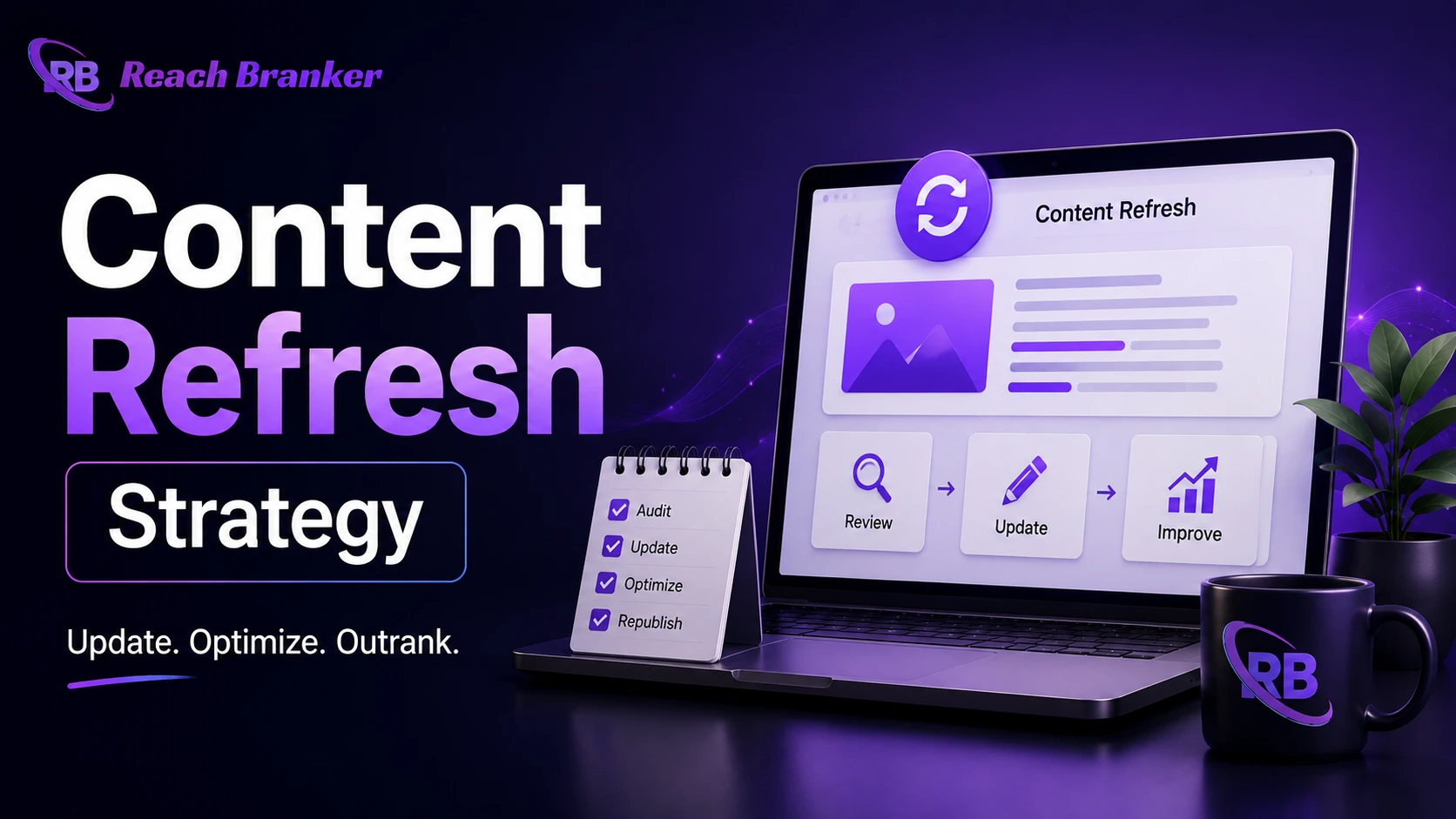
Not every page needs the same depth of update, and treating every refresh as an identical, full scale rewrite wastes effort on pages that need only modest attention. A light refresh, typically achievable within roughly ninety minutes, might involve swapping in current statistics, updating the title where genuinely warranted, and adding a handful of relevant internal links that did not exist when the page was originally published.
A heavy refresh sits at the other end of the spectrum, a genuinely comprehensive rewrite involving new structure, closing competitive gaps against pages that have since overtaken it, adding schema markup, and incorporating genuine expert input, effectively producing new content living at an already established, authoritative URL. Deciding which approach a specific page warrants should depend on how far it has actually drifted from current search intent and competitive expectations, not a fixed, one size fits all policy applied regardless of the specific page’s actual condition.
Common Content Refresh Myths
Several persistent misconceptions continue to create unnecessary hesitation around content refresh work, and clearing them up directly helps teams act with genuine confidence.
- The belief that updating old content will hurt existing rankings is simply incorrect, the opposite is generally true, refreshed pages retain their existing authority precisely because that is the entire point of choosing to update rather than replace them.
- The instinct to change a page’s URL to make it appear newer should almost always be resisted, since the existing URL is exactly what holds the accumulated backlinks, indexing history, and keyword associations that make refreshing worthwhile in the first place, changing it discards this accumulated value rather than preserving it.
- The assumption that any update, however minor, produces meaningful ranking movement also does not hold up, cosmetic edits without genuine added depth, minor rewording with no new information or structural improvement, rarely move rankings in any noticeable way.
How to Decide Between Refreshing and Deleting
Not every aging page deserves a refresh, and a genuinely mature content strategy includes a clear process for deciding when removal or consolidation makes more sense than continued investment. Ask whether the page still serves a genuine business purpose, whether it retains meaningful existing SEO equity in the form of backlinks or established rankings, and whether the underlying topic remains realistically competitive for your site given current conditions.
A page carrying genuine backlinks and covering a topic still relevant to your business is generally worth refreshing or, where appropriate, redirecting into a stronger, related page rather than deleting outright. A page with negligible traffic, no meaningful backlinks, and no clear ongoing strategic value is a reasonable candidate for removal, freeing up crawl budget and internal linking equity that would otherwise be spent maintaining a page providing little genuine return.
The ReachBranker Content Refresh Framework
We apply a structured, four part process to any client content refresh program.
- Data driven prioritization, identifying genuinely declining pages through Search Console and analytics review rather than guessing which content might need attention based on assumption alone.
- Intent revalidation, confirming whether the original search intent a page targeted has shifted before investing in an update, since refreshing accurate content built around outdated intent produces limited genuine benefit.
- Depth matched to need, applying a light or heavy refresh based on how far a specific page has genuinely drifted, rather than a uniform approach applied regardless of actual condition.
- Opening section priority, given AI citation research showing a strong weighting toward early page content, ensuring refresh effort meaningfully addresses a page’s opening sections, not just its middle and closing content where updates are often easier but less impactful.
Common Mistakes When Refreshing Content
Focusing refresh effort primarily on the middle and closing sections of a page while leaving the opening largely untouched, missing exactly the section research suggests AI systems weight most heavily for citation purposes.
- Changing a page’s URL when refreshing it, discarding the accumulated backlinks, indexing history, and keyword associations that made the refresh worth pursuing in the first place.
- Applying only cosmetic edits, minor rewording with no genuinely new information, updated data, or structural improvement, then expecting meaningful ranking movement that this kind of shallow update rarely produces.
- Publishing an entirely new page on an already covered topic instead of refreshing the existing one, splitting authority across two competing pages and often leaving both performing worse than a single, properly refreshed page would have.
- Treating refresh work as a purely reactive, occasional activity rather than building it into a consistent, scheduled cadence, allowing genuine decay to compound quietly for months before anyone notices and responds.
Expert Tips for Building a Sustainable Refresh Cadence
Build a quarterly audit rhythm using Search Console and analytics data as the primary trigger, supplemented by immediate review whenever a specific page drops more than three ranking positions within a single month. Prioritize your highest commercial value and highest existing traffic pages first when resources are limited, rather than attempting uniform refresh coverage across an entire content library simultaneously. Specifically review and strengthen the opening section of any page being refreshed, given the genuine, documented weight AI citation systems place on early page content. Track enquiries and conversions from refreshed pages over a meaningful before and after comparison window, not just raw traffic, since a refresh producing more visits without corresponding genuine business value has not actually succeeded in the way that matters most. Maintain clear internal ownership and a defined review cycle for your content library, since pages tend to age quietly and go unnoticed specifically when no one holds clear responsibility for monitoring them over time.
Conclusion
Content refresh strategy has moved from a nice to have SEO tactic to a genuinely structural requirement for maintaining visibility across both traditional and AI powered search in 2026. Content decay happens gradually and quietly, meaning a consistent, scheduled audit process matters considerably more than sporadic, reactive updates applied only after a page’s decline has already become obvious and difficult to reverse.
The businesses seeing the strongest results are treating refresh work as seriously as new content creation, prioritizing by genuine data rather than assumption, matching the depth of each update to how far a specific page has actually drifted, and paying particular attention to the opening sections AI systems now weight so heavily when deciding what to cite.
Talk to Our Team About a Structured Content Refresh Program. Explore Our SEO Content Writing Services.
Frequently Asked Questions
How often should I refresh old blog posts? +
Refresh cornerstone or evergreen posts at least once yearly as a baseline. Fast moving categories such as technology, SaaS, or compliance may need updates every three to six months.
Does updating old content actually improve SEO rankings? +
Yes, when updates are genuinely substantive. Adding new data, expanding underserved topics, and improving internal linking can help recover lost positions, while cosmetic edits rarely create meaningful movement.
Should I change the URL when I refresh a piece of content? +
Almost never. An existing URL may hold accumulated backlinks, indexing history, and keyword associations, so keeping it usually preserves the SEO value of the page.
How do I know if a page needs a light refresh or a heavy rewrite? +
Assess how far the page has drifted from current search intent and competitor expectations. Slightly outdated content may only need a light update, while significantly outdated pages may require a full structural rewrite.
Why does AI search make content freshness more urgent than before? +
AI search platforms can favor recently updated and current information, making content freshness increasingly important for maintaining visibility in AI generated answers.
Should I delete old content that is no longer performing well? +
It depends on the page’s SEO value and business relevance. Pages with backlinks and topical value may be worth refreshing or redirecting, while pages with little traffic, no backlinks, and no strategic value may be suitable for removal.
How do I track whether a content refresh actually worked? +
Compare traffic, rankings, and business outcomes such as enquiries or conversions before and after the update. Increased traffic without meaningful business value does not necessarily indicate success.
Is a quarterly refresh cadence better than an annual one? +
For fast moving and competitive categories, quarterly reviews can be more effective than relying only on an annual refresh schedule, helping content remain accurate and competitive.