Quick Answer
Resource page link building means finding pages a website maintains specifically to curate useful tools, guides, or references within a topic, then pitching your own content as a genuinely valuable addition to that existing list. It works differently from most outreach based tactics because both sides genuinely benefit, the page owner gets a stronger, more useful resource list for their own readers, and you get a relevant, editorially placed backlink in return. This mutual benefit is exactly why response rates tend to run higher than cold guest posting or link insertion pitches, provided your target list is genuinely well vetted and your content is actually strong enough to earn inclusion on review.
Key Takeaways
Resource page link building offers genuine mutual benefit, unlike most link building tactics that ask a site owner for a favor with limited direct benefit to them. A well vetted list of a few dozen genuinely relevant resource pages consistently outperforms a much larger, unvetted list, since targeting quality matters more than raw outreach volume. Resource page owners actively review what they link to, meaning thin or incomplete content will not pass that review regardless of how well your outreach email is written .
Links from resource pages sit within topically focused, curated content, generally placing them among the higher quality placement types available in link building overall. This remains one of the more consistent, durable white hat tactics in 2026, particularly valuable given how much riskier purchased and manipulative link schemes have become under current spam enforcement.
What a Resource Page Actually Is
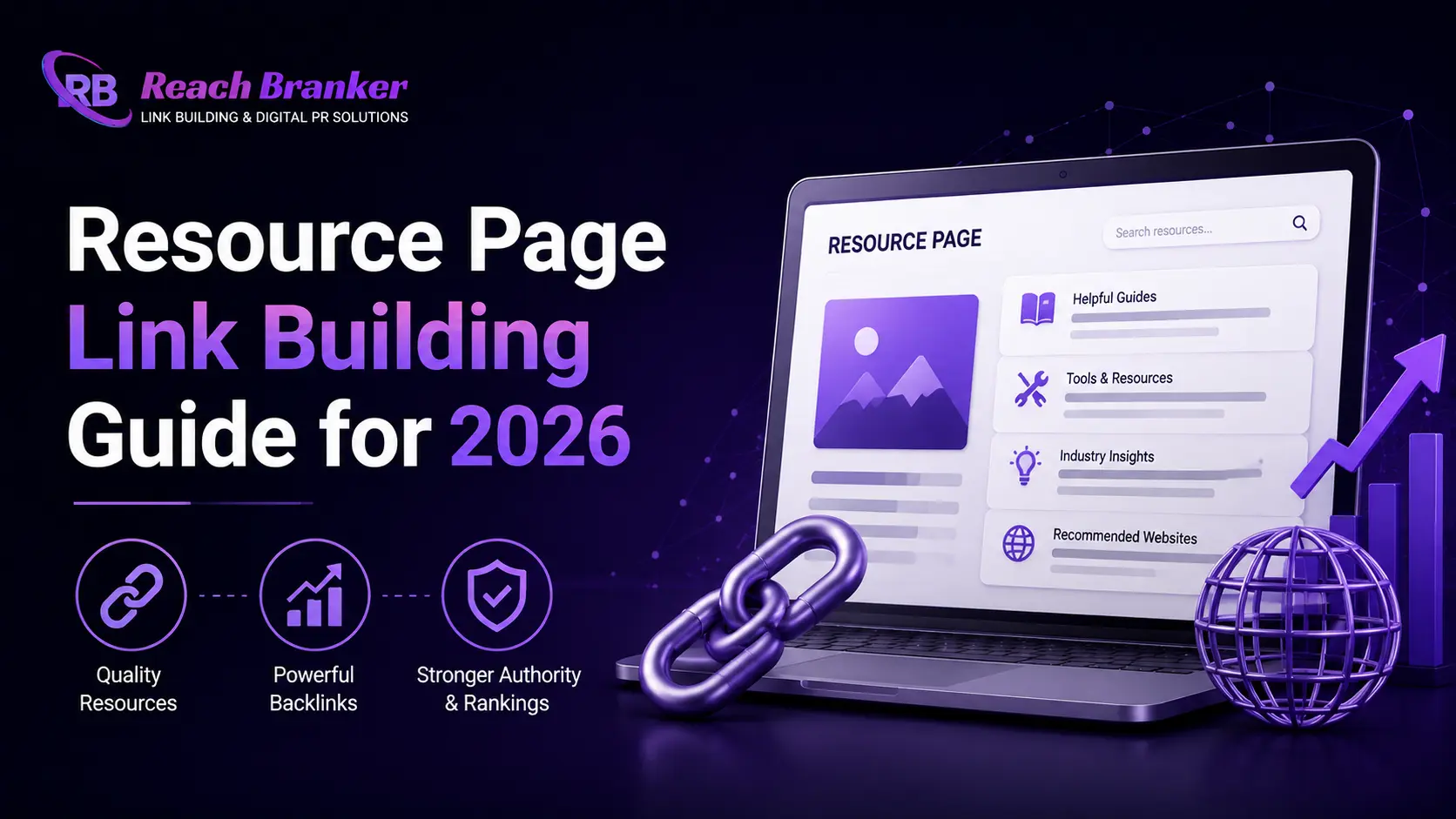
A resource page is a page a website deliberately maintains to list useful tools, guides, references, or links within a specific topic area, built specifically to help that site’s own readers find genuinely valuable external content without having to search for it themselves. These pages commonly appear under titles like useful resources, recommended tools, helpful links, or further reading, and they exist across nearly every niche, from technical industries to hobbyist communities to local business directories.
The key distinction that makes resource pages worth pursuing specifically is intent. A page owner built this list because they genuinely wanted to curate something helpful for their audience, not because they accept payment for inclusion or exist purely to host outbound links. This genuine curation intent is precisely what makes a resource page placement carry real editorial weight, rather than reading as an obviously paid or exchanged link.
Why Resource Page Link Building Converts Better Than Most Outreach
Most link building outreach places all the pressure on one side of the exchange, you are asking a site owner to do something specifically for your benefit, publish a guest article, add a link to existing content, feature your brand, with limited direct benefit flowing back to them personally.
Resource page link building works differently because it offers genuine value in both directions simultaneously. The page owner gets a stronger, more genuinely useful resource list for their own readers, which is precisely what they built the page to achieve in the first place, and you get a relevant, editorially placed backlink as a natural consequence of that improvement. This mutual benefit dynamic is exactly why resource page pitches, when genuinely well targeted, tend to see meaningfully higher response and success rates than tactics built around a purely one sided request.
Finding Genuinely Relevant Resource Pages
Search using common resource page phrasing combined with your specific topic, terms like useful resources, helpful links, recommended tools, or further reading paired with your niche or subject area, tend to surface exactly this kind of curated page reliably.
Beyond direct search, reviewing which resource pages already link to your competitors offers a particularly efficient shortcut, since a page owner who has already demonstrated willingness to include a comparable business or resource in your specific space is considerably more likely to consider your content as well. This approach connects naturally with a broader competitor backlink gap analysis, covered in more detail elsewhere on this site, since resource pages frequently appear among the strongest, most repeatable opportunities that kind of analysis surfaces.
Read More: Structured Data and Schema Markup Guide for 2026
Verifying a Page Is Actually a Real Target
Before investing outreach effort into any specific page, confirm it genuinely functions as an active resource page rather than a stale, abandoned list or a page that only links to internal content. A simple, practical check involves searching the page directly for the specific section you are targeting and confirming it actually links out to external content, not just internal pages within the same site, since a page that appears to be a resource list but only links internally is not a genuine backlink opportunity regardless of how promising it looks at first glance.
Also check whether the page has been updated reasonably recently, an obviously outdated list, referencing tools or services that no longer exist, may indicate the page owner is no longer actively maintaining or reviewing new submissions, meaning your realistic odds of a response are considerably lower even if the page technically remains live.
Why a Smaller, Vetted List Beats a Larger Raw One
This is one of the most consistently overlooked lessons in resource page link building specifically. A common, avoidable mistake involves scraping together a very large list of pages that broadly mention resources or tools, skipping any genuine relevance vetting, then sending an identical, generic pitch to every single one. This approach reliably produces reply rates close to zero, and the tactic itself frequently gets unfairly blamed for the poor result, when the actual problem was targeting quality, not the underlying strategy.
A genuinely well vetted list of around forty carefully confirmed, relevant pages will consistently outperform a raw, unvetted list of four hundred, since the vetted list allows genuinely personalized outreach referencing each specific page’s actual content, while the larger list forces a generic, templated approach that recipients recognize and dismiss immediately.
Making Sure Your Content Actually Earns Inclusion
Resource page owners genuinely review what they consider linking to, and thin, incomplete, or low effort content will not pass that review regardless of how well crafted your outreach email happens to be. Before beginning outreach, honestly assess whether your target content would genuinely strengthen the specific resource page you are pitching, does it cover the topic thoroughly, does it offer something the page’s existing linked resources do not already provide, and would a genuine reader of that resource page find real value in following your specific link.
If your existing content does not yet meet this bar for a particular target page, consider whether a modest, targeted improvement, filling a specific gap the current version has, would meaningfully increase your realistic odds before investing outreach time into pitching it as is.
Writing an Outreach Email That Gets a Response
An effective resource page pitch should be brief, specific, and immediately clear about what you are actually offering. Reference the specific resource page directly, mention the specific section your suggestion fits within if the page has multiple categories, and briefly explain what your content adds that would genuinely benefit the page’s existing readers, rather than a generic claim that your content is comprehensive or high quality without any specific supporting detail.
Avoid the common mistake of sending an identical, clearly templated email to every target on your list, this pattern is easily recognized by experienced site owners and consistently produces lower response rates than genuinely personalized outreach referencing each specific page’s actual content and structure.
Where Resource Page Links Fit in the Overall Link Quality Hierarchy
Understanding where resource page links sit relative to other placement types helps set realistic expectations and prioritize effort sensibly. A commonly referenced hierarchy places editorial links within a page’s main body content at the top, followed closely by resource page links, then author bio links, with sidebar and footer links generally carrying the least weight given how disconnected these placements typically are from genuinely relevant, contextual content.
Resource page links generally sit near the top of this hierarchy specifically because they appear within topically focused, genuinely curated content, exactly the kind of context search engines have consistently indicated they weigh most favorably when evaluating a link’s genuine editorial value.
The ReachBranker Resource Page Outreach Process
We apply a structured, four stage process for resource page campaigns run on behalf of clients.
- Target discovery and vetting, identifying genuinely active resource pages relevant to the client’s specific niche, verifying each one links out to real external content rather than only internal pages, and confirming reasonably recent activity.
- Content gap assessment, honestly evaluating whether existing client content meets the bar for inclusion on each specific target page, and identifying where a modest improvement would meaningfully strengthen the pitch before outreach begins.
- Personalized outreach, crafting individual pitches referencing each specific page’s content and structure, never a generic template sent identically across the full target list.
- Response tracking and follow up, monitoring which pitches convert successfully and applying one appropriate follow up where a reasonable response window has passed without any reply.
Common Mistakes With Resource Page Link Building
Building a very large, unvetted target list and sending generic, templated outreach at volume, producing near zero response rates and unfairly leading many to conclude the tactic itself does not work.
- Pitching content that genuinely would not strengthen a specific resource page, either because it duplicates existing linked resources too closely or does not meet a reasonable quality bar for inclusion.
- Failing to verify that a target page actually links to external content before investing outreach time, wasting effort on pages that only link internally despite appearing to be a genuine resource list.
- Ignoring how recently a target page has been updated, pursuing clearly abandoned lists where the owner is unlikely to be actively reviewing or responding to new submissions at all.
- Treating every resource page opportunity as equally valuable regardless of genuine topical relevance, when a page only loosely connected to your specific niche provides considerably less value than one genuinely, directly relevant to your content.
Expert Tips for Higher Conversion Rates
Prioritize building a smaller, genuinely well vetted target list over a larger, unverified one, since a focused list of forty confirmed, relevant pages will consistently outperform an unvetted list many times its size. Reference specific, genuine details about each target page within your outreach, the specific section your content fits, a related resource already listed there, demonstrating real familiarity rather than an obviously generic approach.
Combine resource page targeting with a broader competitor backlink gap analysis, since pages already linking to comparable competitors represent some of the highest probability opportunities available. Strengthen your target content specifically for genuine inclusion worthiness before beginning outreach, rather than pitching content that does not yet meet a reasonable quality bar and hoping outreach persistence alone will overcome that gap. Track your response and conversion rates by target category over time, refining which specific types of resource pages and pitch approaches produce the strongest results within your particular niche.
Conclusion
Resource page link building remains genuinely effective in 2026 precisely because it avoids the one sided dynamic that undermines so much cold outreach, both the page owner and the business earning the link genuinely benefit from a well executed placement. The tactic’s real challenge has never been the underlying strategy itself, it has consistently been execution, specifically targeting quality over raw volume, and ensuring the content being pitched genuinely earns inclusion on its own merits.
Approached with a focused, well vetted target list and content that authentically strengthens each specific page it is pitched to, resource page link building continues to offer one of the more reliable, durable paths to genuinely editorial, topically relevant backlinks available in a link building landscape increasingly wary of anything that looks manufactured or purchased.
Talk to Our Team About Building a Resource Page Outreach Campaign. Explore Our Link Building Services.
Frequently Asked Questions
Is resource page link building still effective in 2026? +
Yes. Resource page link building remains a useful white hat tactic, particularly when you earn relevant placements through genuinely valuable content and editorial outreach.
How do I find resource pages in my specific niche? +
Search for phrases such as useful resources, recommended tools, or further reading alongside your target topic. You can also identify resource pages linking to competitors.
What is a reasonable response rate to expect from resource page outreach? +
Response rates vary by niche and targeting quality. Personalized outreach to carefully vetted prospects generally performs better than generic, high-volume outreach.
Should I request a specific anchor text when pitching a resource page? +
It is usually better to suggest a natural description of your content rather than demand exact anchor text, allowing the resource page owner to maintain their preferred style.
How do I verify a resource page is still actively maintained? +
Check whether its resources are current and whether the page has been updated recently. Outdated links, tools, or services can indicate that the page is no longer maintained.
Can resource page link building work for a brand new website with no existing content? +
It works best when you have at least one strong, comprehensive resource worth recommending. Creating valuable content first can improve your outreach prospects.
Is it worth paying for placement on a resource page? +
Generally no. Genuine resource pages are curated based on editorial value, so paid inclusion may undermine the editorial nature that makes this tactic effective.
How does resource page link building compare to broken link building? +
Both target relevant curated pages, but broken link building replaces dead links while resource page outreach proposes a new valuable resource. The two tactics can work together.